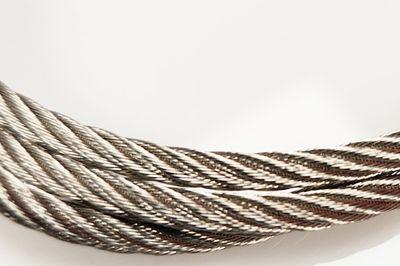
Stainless steel wire, a versatile and essential material in various industries, stainless wire rope is known for its durability, corrosion resistance, and strength. This article explores the characteristics, applications, and benefits of stainless steel wire, highlighting why it is a preferred choice for many industrial and commercial uses.
Characteristics of Stainless Steel Wire
Stainless steel wire is made from stainless steel, an alloy primarily composed of iron, chromium, nickel, and other elements. The addition of chromium gives stainless steel its renowned resistance to corrosion and oxidation. Here are some key characteristics of stainless steel wire:
- Corrosion Resistance: The high chromium content in stainless steel forms a passive layer of chromium oxide on the surface, protecting it from corrosion and rust.
- Strength and Durability: Stainless steel wire is strong and can withstand high stress and strain without deforming, making it ideal for applications requiring robust materials.
- Heat Resistance: Stainless steel wire can maintain its integrity at high temperatures, making it suitable for applications exposed to extreme heat.
- Aesthetic Appeal: The shiny, polished appearance of stainless steel wire makes it a preferred choice for decorative and architectural applications.
- Hygienic Properties: Stainless steel is easy to clean and does not harbor bacteria, making stainless steel wire an excellent choice for medical and food processing applications.
Applications of Stainless Steel Wire
Stainless steel wire is used in a wide range of applications across various industries due to its unique properties. Some common applications include:
- Medical Devices: Stainless steel wire is used in the manufacture of surgical instruments, orthodontic braces, and other medical devices due to its biocompatibility and ease of sterilization.
- Construction: It is used in the construction industry for reinforcing concrete, structural supports, and architectural elements like railings and mesh.
- Automotive Industry: Stainless steel wire is used in the production of exhaust systems, springs, and other components that require high strength and resistance to corrosion.
- Aerospace: The aerospace industry uses stainless steel wire for safety wire, fasteners, and other critical components that require reliable performance in extreme conditions.
- Food Processing: Stainless steel wire is used in conveyor belts, sieves, and other equipment in the food processing industry due to its hygienic properties and resistance to corrosion.
- Marine Applications: Stainless steel wire is ideal for marine environments where exposure to saltwater can cause rapid corrosion in other materials.
Benefits of Stainless Steel Wire
The use of stainless steel wire offers numerous benefits, making it a preferred material for various applications:
- Longevity: The durability and resistance to corrosion of stainless steel wire ensure a long lifespan, reducing the need for frequent replacements and maintenance.
- Cost-Effective: Although the initial cost of stainless steel wire may be higher than other materials, its longevity and low maintenance requirements make it a cost-effective choice in the long run.
- Versatility: Stainless steel wire can be manufactured in different grades and thicknesses, making it adaptable to a wide range of applications and industries.
- Sustainability: Stainless steel is recyclable, making stainless steel wire an environmentally friendly choice. The recycling process also requires less energy compared to producing new stainless steel.
- Reliability: The consistent performance and reliability of stainless steel wire make it a trusted material for critical applications where failure is not an option.
Conclusion
Stainless steel wire is a versatile and essential material that plays a crucial role in various industries. Its unique properties, such as corrosion resistance, strength, and heat resistance, make it a preferred choice for applications ranging from medical devices to construction and aerospace. The benefits of using stainless steel wire, including longevity, cost-effectiveness, and sustainability, further highlight its importance in modern manufacturing and industrial processes. As industries continue to evolve and demand more durable and reliable materials, stainless steel wire will undoubtedly remain a fundamental component in meeting these needs.